
Somewhere between outer space and a sound bath, between a library of endangered species and a perfume made from your personality, the Museum of the Future asks one simple question: what kind of future are you building?
Sense of Wander: ★★★★★
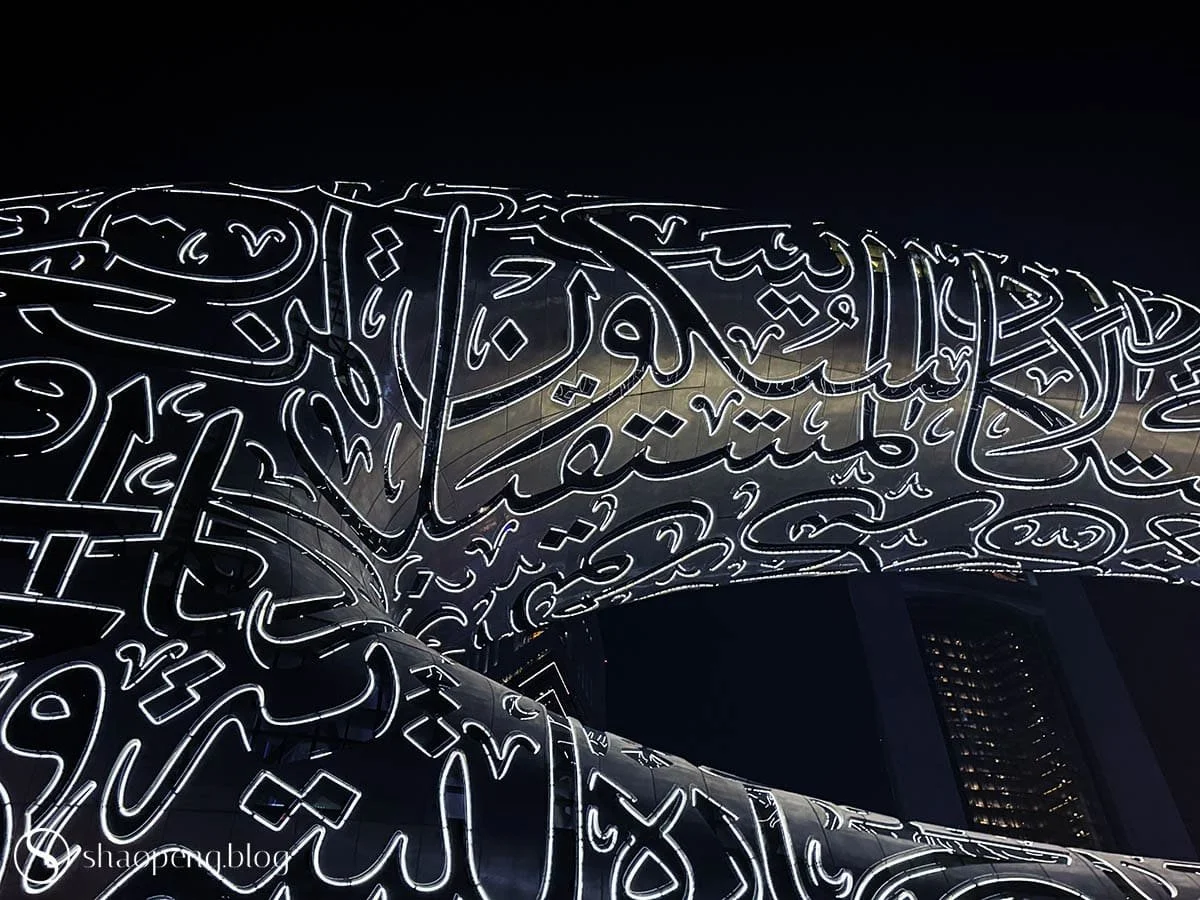
The word that started it all. Mustaqbal, “future” in Arabic, glowing across the facade of Museum of the Future at dusk.
DUBAI, UAE — There are places you encounter first as images — pinned to a wall, saved on your phone, cut from a magazine and arranged into the collage of a life you’re still imagining. For me, that place was a silvery torus, its surface inscribed with flowing Arabic script, as though language itself had taken form.
In the summer of 2024, I placed it at the centre of my vision board — not as a destination, but for what it meant to me. At the time, I was falling in love with Arabic calligraphy, and this building, whatever it was, felt like a symbol of that longing. A permission slip, perhaps. Dare to create beautiful things.
And then, as travel often does, life reveals itself. It wasn’t until the final days of my first trip to Dubai that I remembered the building at the centre of my vision board was here, and that it had a name: Museum of the Future.
The realisation first came with a surprise and, immediately, a complication. Tickets, I learned, had to be booked nearly a week in advance. I stared at my phone, refreshing the museum’s website with a sliver of hope, caught in that familiar tension between knowing better and refusing to accept it. I should have done my homework.
Had I come all this way, only to miss it?
And yet, some instinct — irrational, or perhaps intuitive — sent me there anyway. Just to see it, I told myself. Just to be near it.
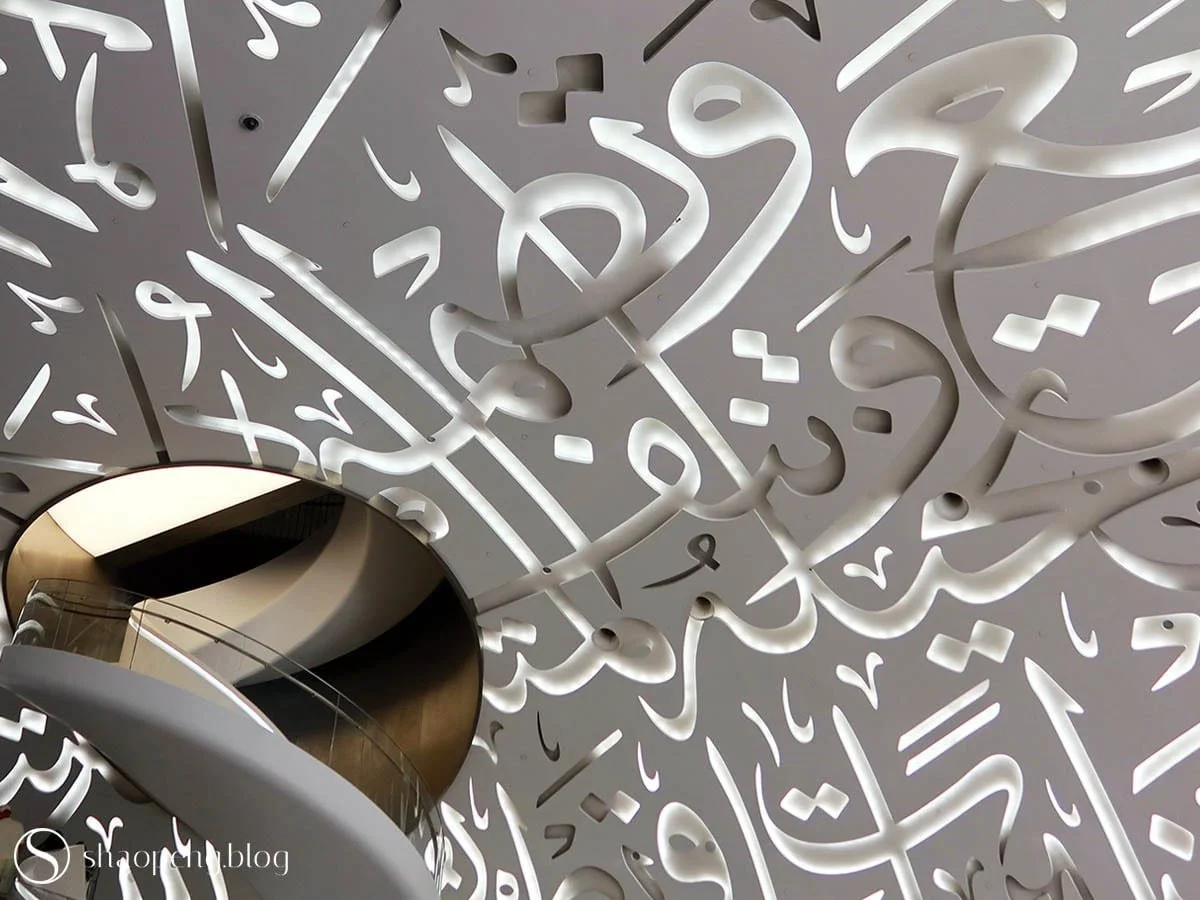
Inside and out, the museum bears the words of Sheikh Mohammed bin Rashid Al Maktoum, rendered in Al Thuluth script by Emirati artist Mattar bin Lahej.
The ground floor was already full of people. Of course it was. I made my way to the ticket counter carrying the kind of hope you bring when you already know the answer.
No tickets.
But because I was travelling alone — and solo travellers, the universe occasionally reminds me, are rewarded for their solitude — a staff member leaned forward and offered me a Pioneer Pass. A last, unlikely opening in a place that had already closed its doors.
It cost double the regular price. I swiped my card before I could think too hard about it.
Money comes back around, I told myself. Moments like this don’t.
They handed me a wristband embedded with a sensor that would, over the next few hours, become my key.
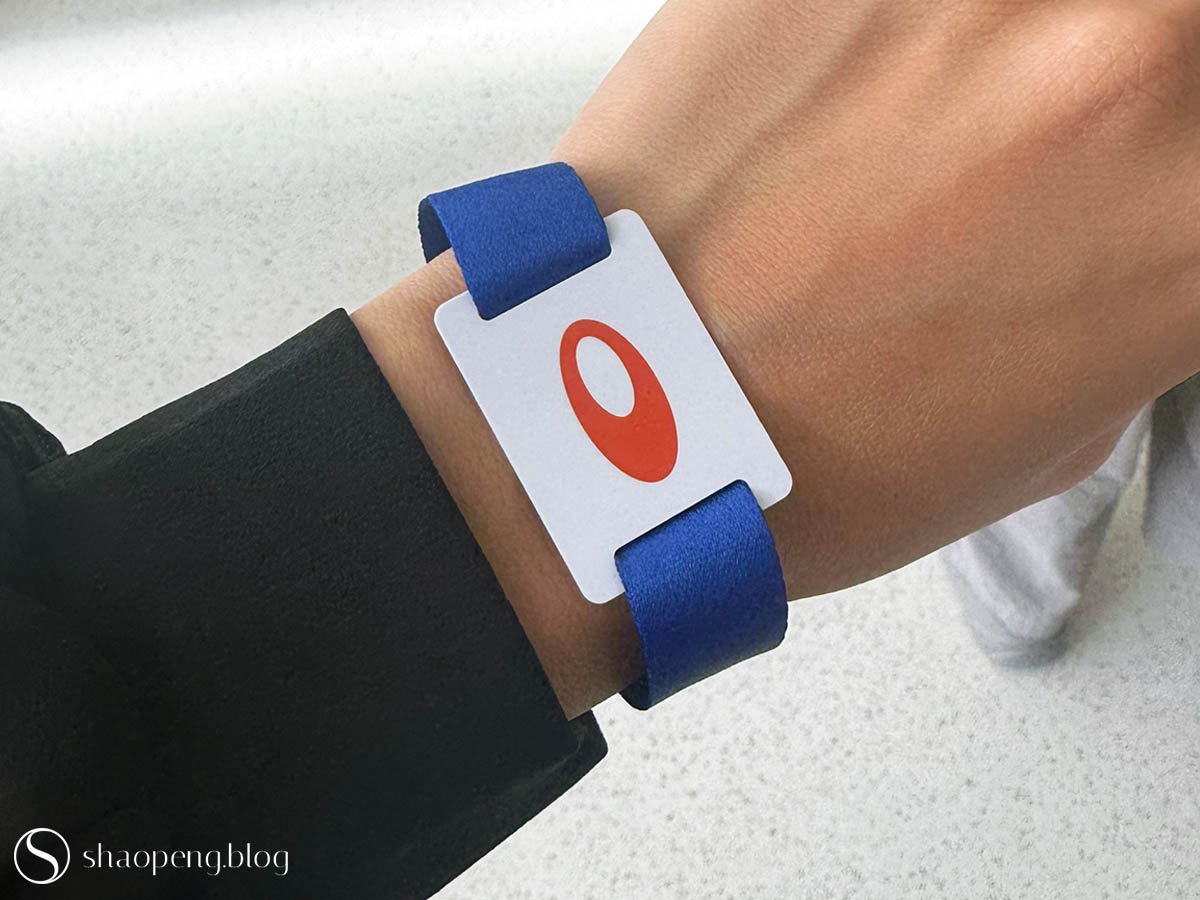
This wristband is your key to everything inside the Museum of the Future.
The journey begins in a gathering room, where a voice prepares us to travel across time — to the year 2071, chosen because it marks a century since the founding of the United Arab Emirates in 1971. There is something ceremonial about it, as though we are crossing a threshold between what is and what might be.
Visitors with claustrophobia, the staff noted, could take another route. I have claustrophobia. But curiosity — that familiar companion of a wanderer — outweighs fear.
I step inside anyway.
The space transforms into a virtual shuttle. Walls dissolve into screens. Earth falls away beneath us. For a moment, suspended between ground and sky, I feel that sensation travel sometimes grants — of being nowhere, and everywhere, at once
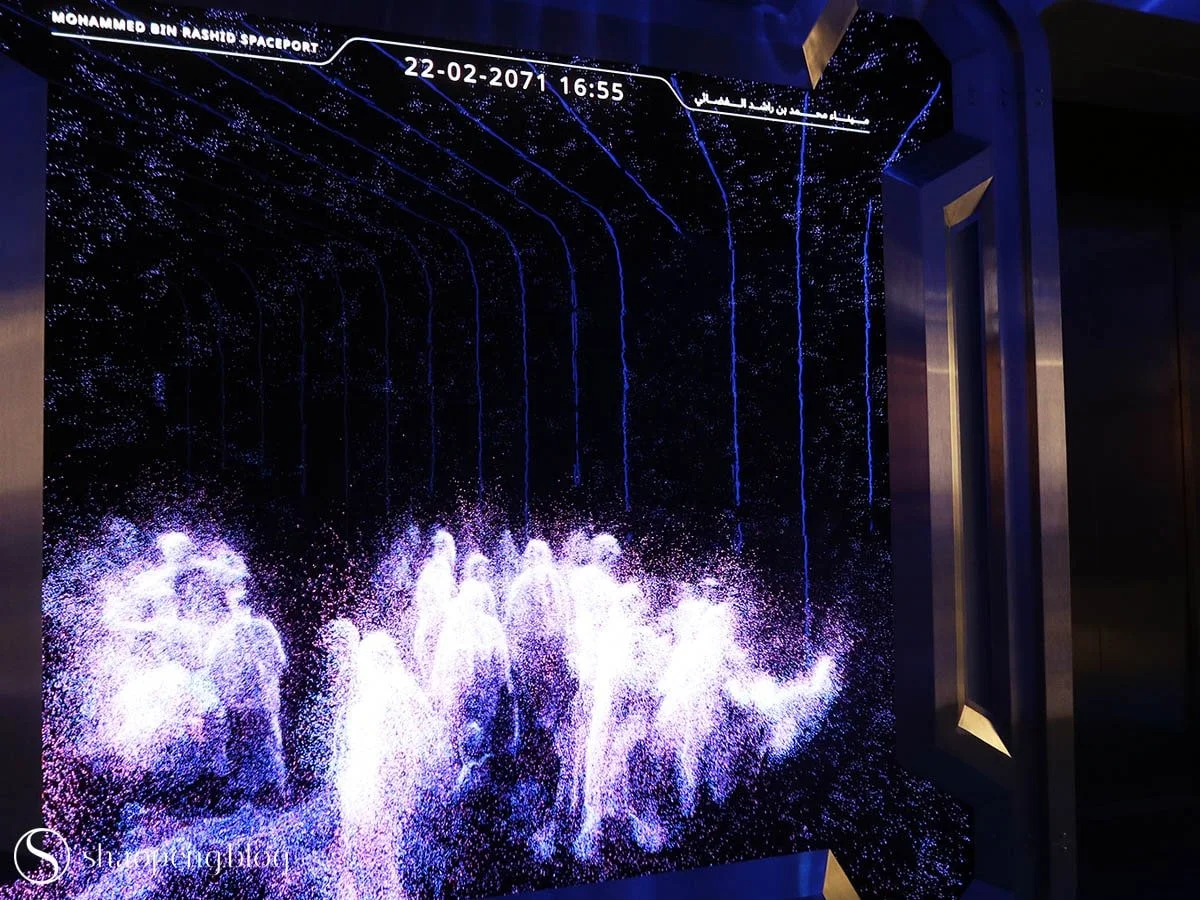
Before boarding, the museum reads your energy and projects it onto the screen.
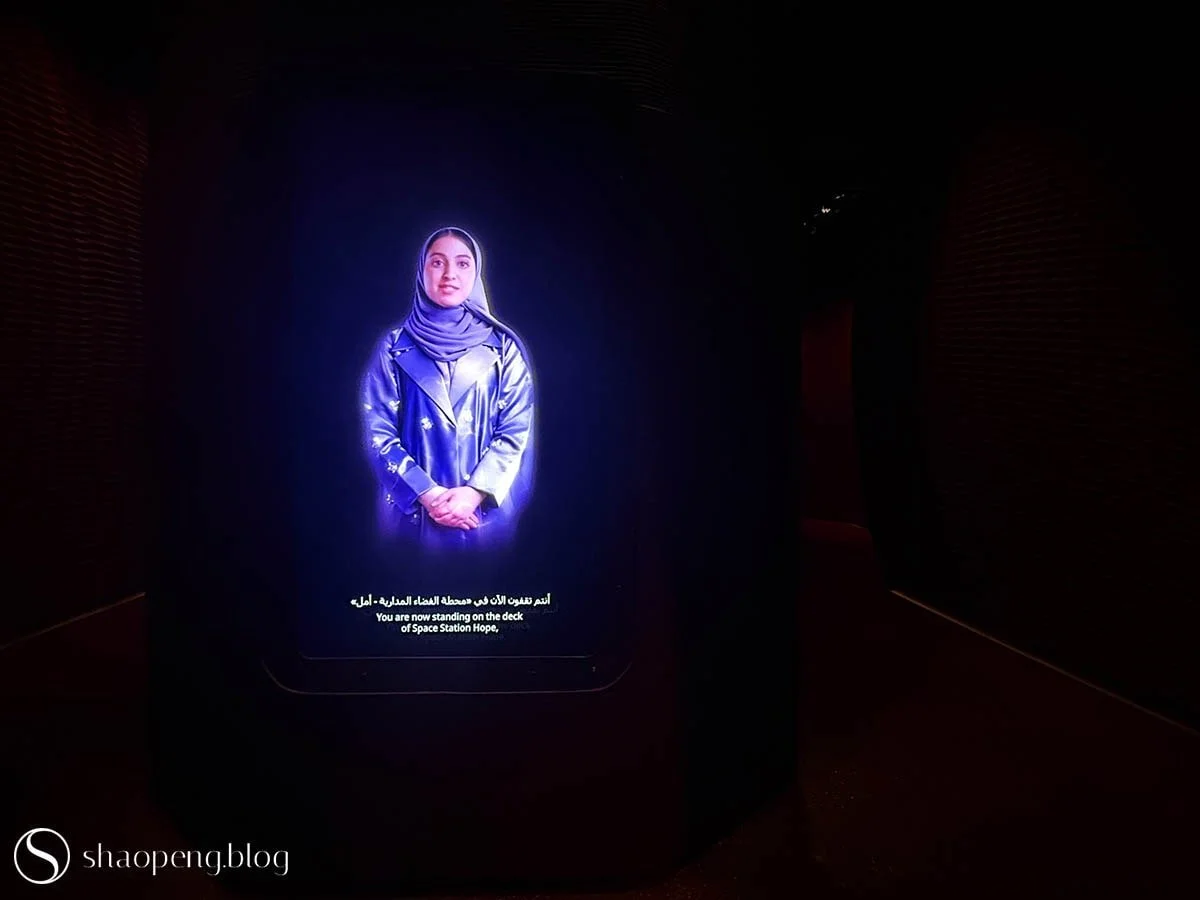
The journey begins not on earth but among the stars. Your first stop: Space Station Hope.
Space, perhaps, is the right place to begin. It has always been where we project our futures when the present feels too crowded.
At the OSS Hope space station, the names engraved on the panels are not invented ones but belong to real astronauts who have been selected for real missions. With a scan of the wristband, you can see yourself dressed in a spacesuit, interviewed for a position among the stars. The playfulness of it doesn’t diminish the wonder. The future, as the museum seems to insist, is a place you can audition for.
The next chapter descends back to Earth — or rather, towards what Earth stands to lose.
Walking into the Heal Institute, you first pass through a digital recreation of the Amazon rainforest, green and breathing and achingly lush, before entering the Vault of Life. Here, more than 2,400 species are catalogued in a library of virtual DNA, their specimens bathed in LED light that shifts through every colour of the spectrum.
With a borrowed device, you can scan them, learn their stories, even see which are expected to disappear within our lifetime. The installation is beautiful — but an unsettling reminder of what may be lost.
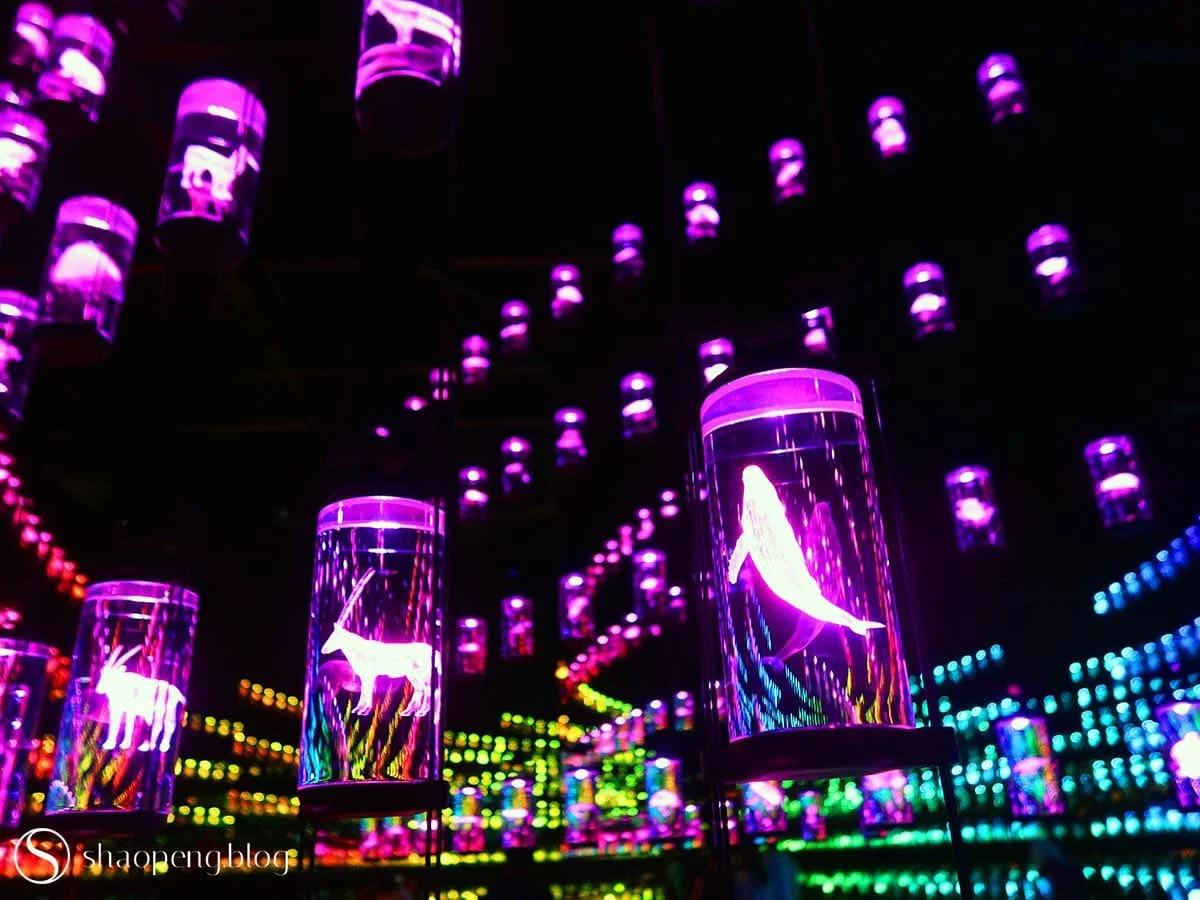
The Vault of Life is home to the virtual DNA of over 2,400 species.
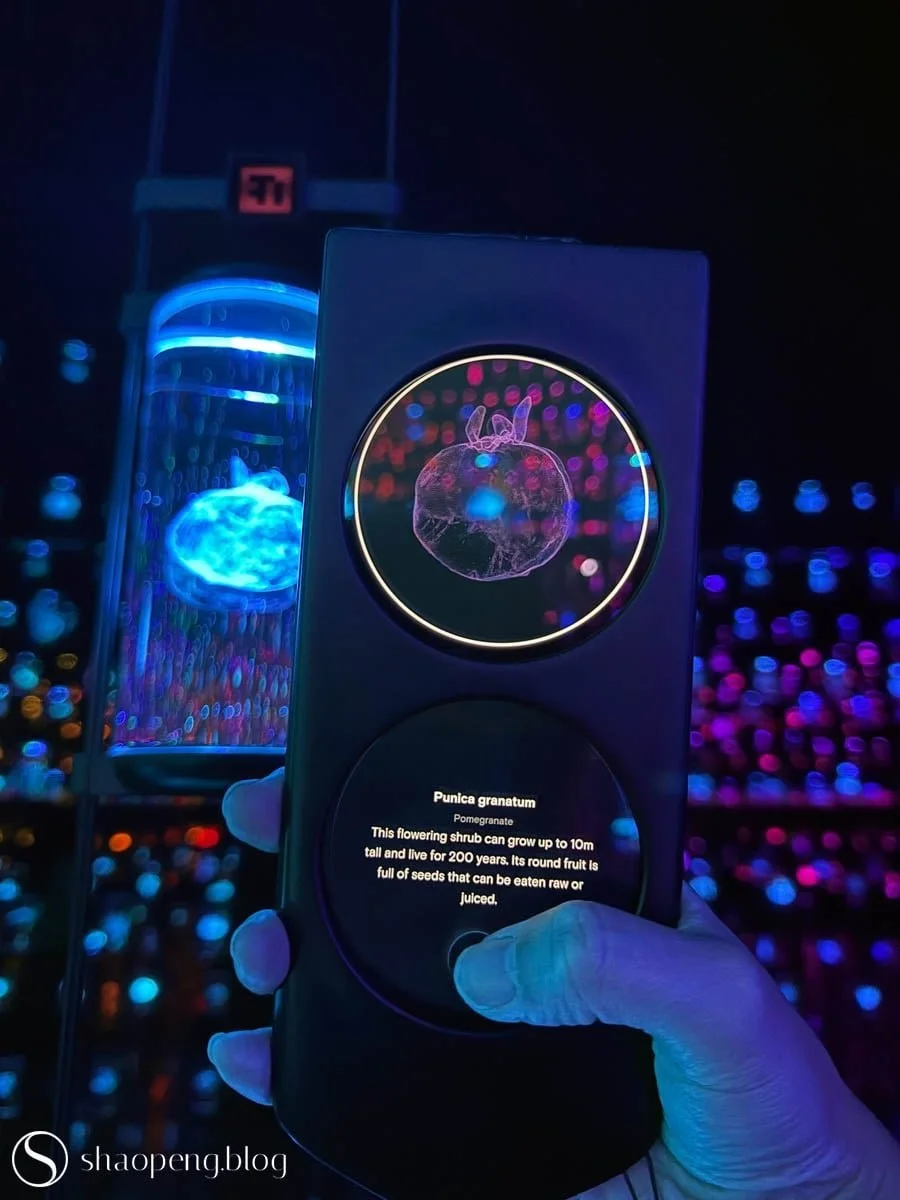
A borrowed device is all it takes to explore every species in the vault.
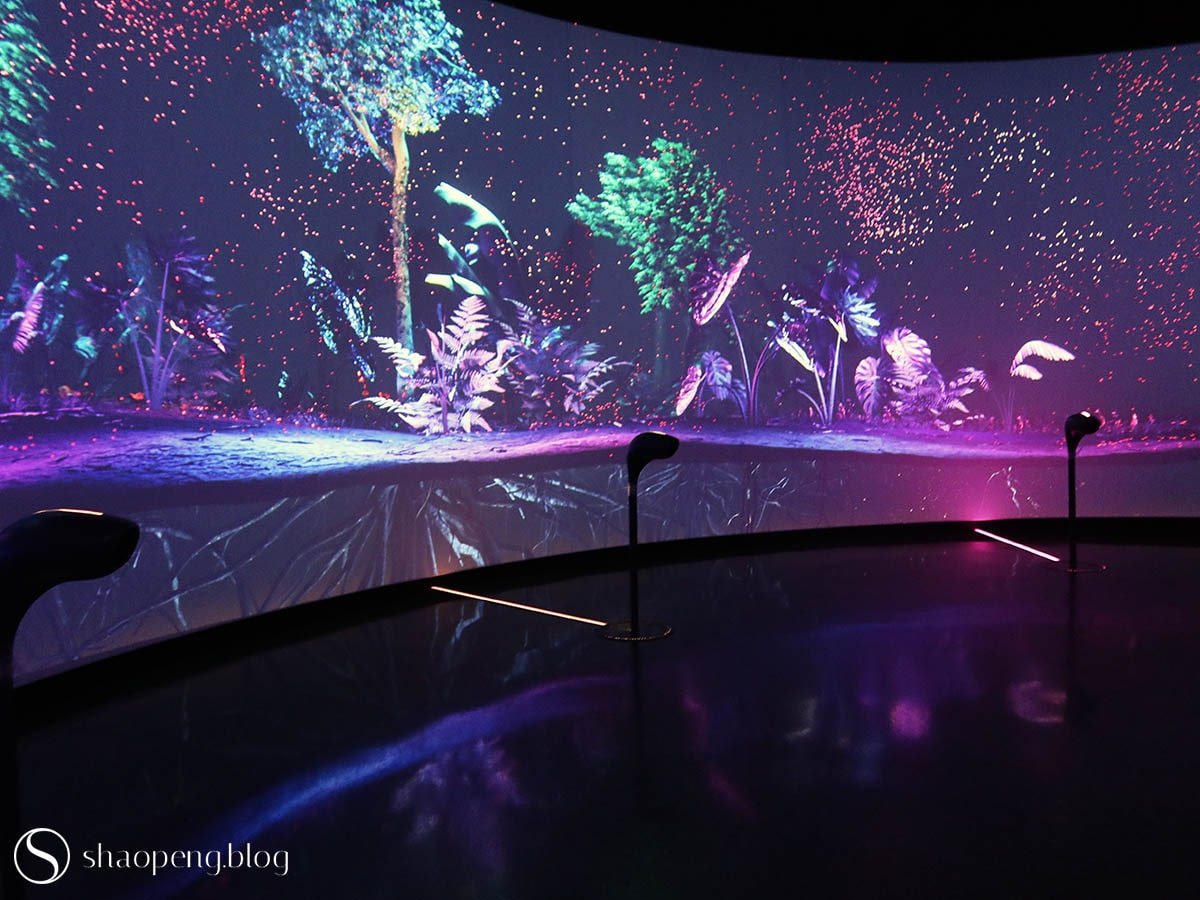
Inside the Lab, a multimedia display traces the intricate conversations plants have with their ecosystem.
Then the journey turns inward.
Al Waha — “the Oasis” — feels like a necessary pause. Where earlier galleries look outward and forward, this one asks you to return to yourself. There are stations for sound baths and ultrasonic palm massage, for breathing exercises and carefully chosen fragrance designed to settle the nervous system. There is even a room where you are invited to lie down and do nothing. To simply be.
It could easily feel indulgent. Instead, it feels like a gentle nudge: that the future we build must also be one we can inhabit. That technology without wellbeing is architecture without space to breathe.
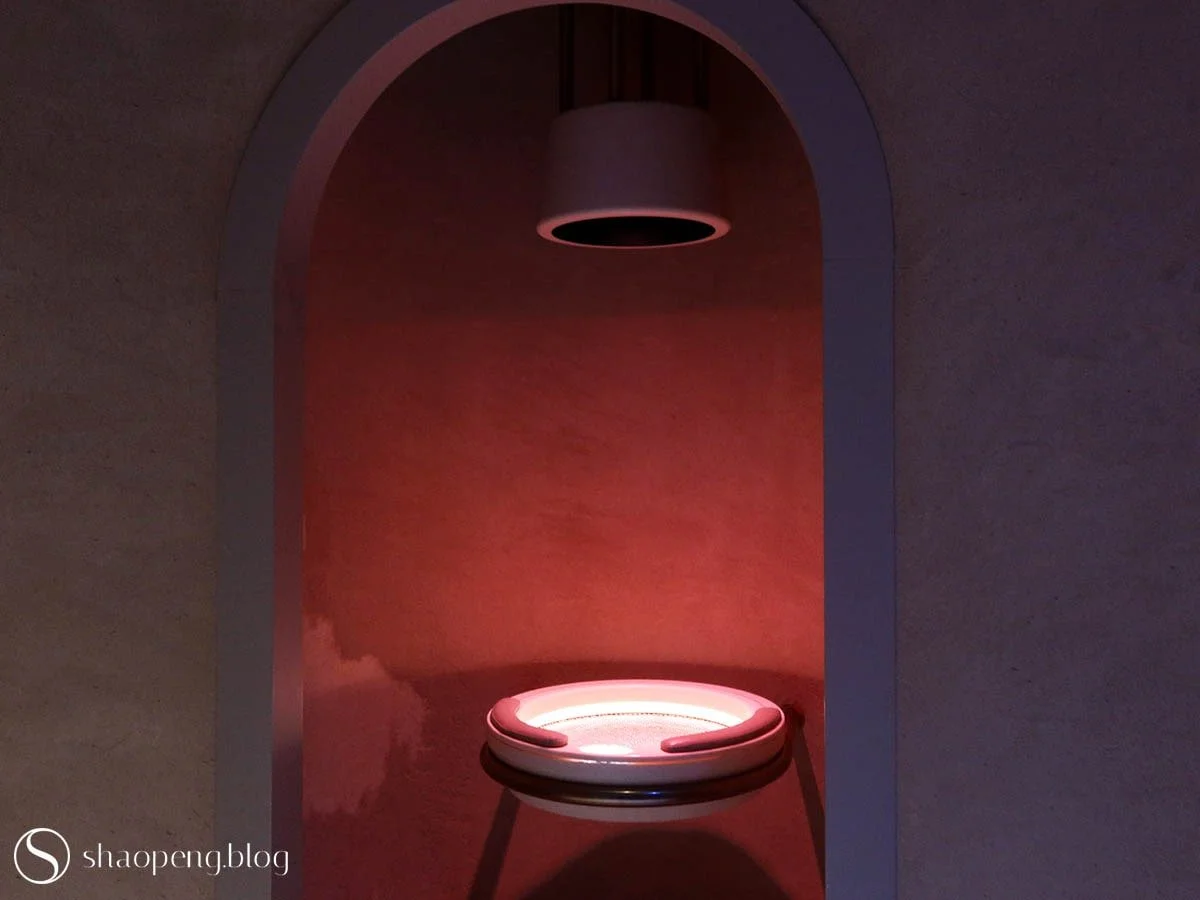
The Feeling Therapy station offers something quite radical: healing elivered through nothing more than air and sound waves against your palm.
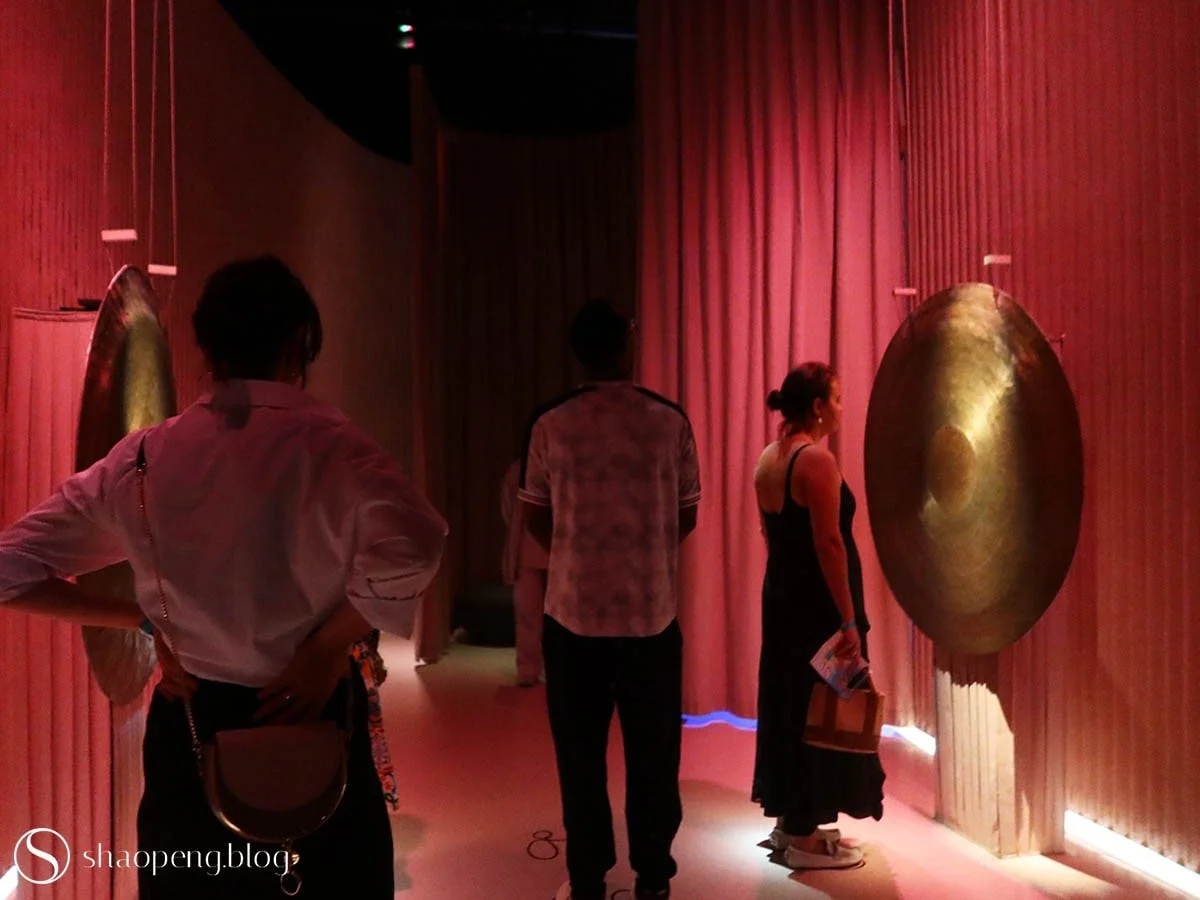
At the Grounding Therapy station, sound becomes something you dissolve into.
The final gallery — Tomorrow Today — returns to spectacle. Flying taxis set to launch in Dubai this year. AI-powered robots that field your questions with unnerving calm. And tucked among the innovations, a perfume bar called Algorithm Perfumery that I initially dismissed and then couldn’t resist.
You scan a QR code and answer a probing survey — personality, preferences, sensory associations, moods. The algorithm generates three fragrance formulas, mixed by a machine in front of you. You name each one yourself.
I redeemed my Pioneer Pass coupon toward it without hesitation. The scents, when they arrived, were oddly familiar — as if meeting a version of yourself you never knew.
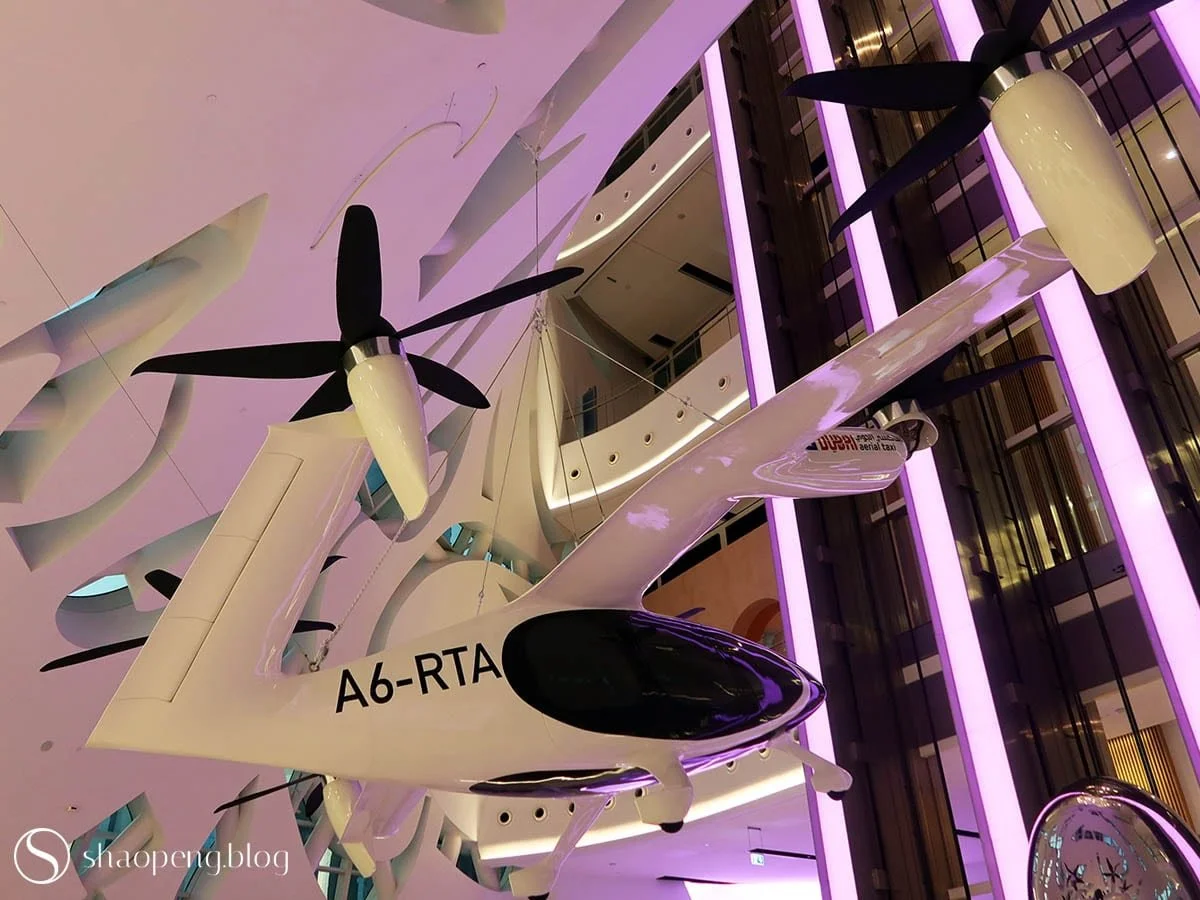
Dubai’s flying taxi, on display at the Museum of the Future, where the future has a launch date.
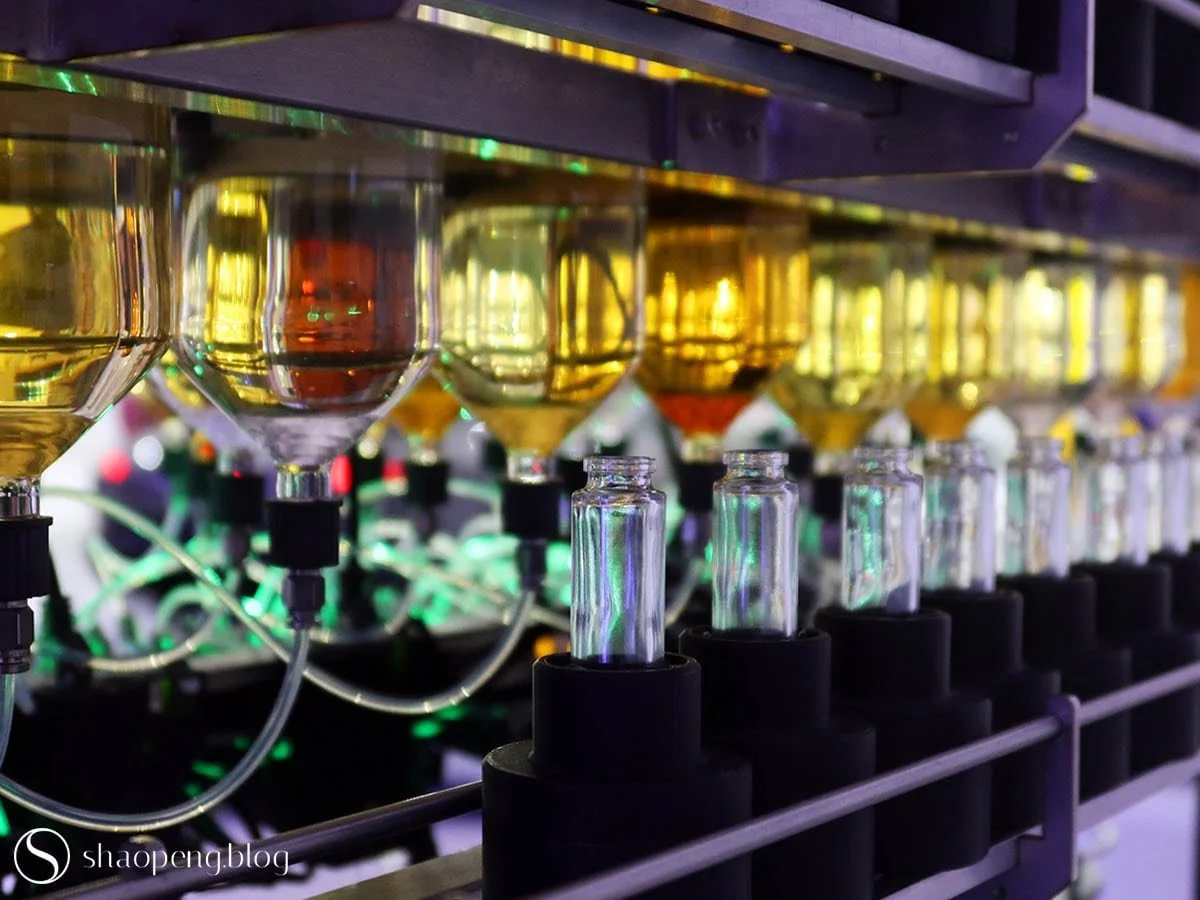
Your personality, your moods, your preferences — Algorithm Perfumery translates all of it into scent.
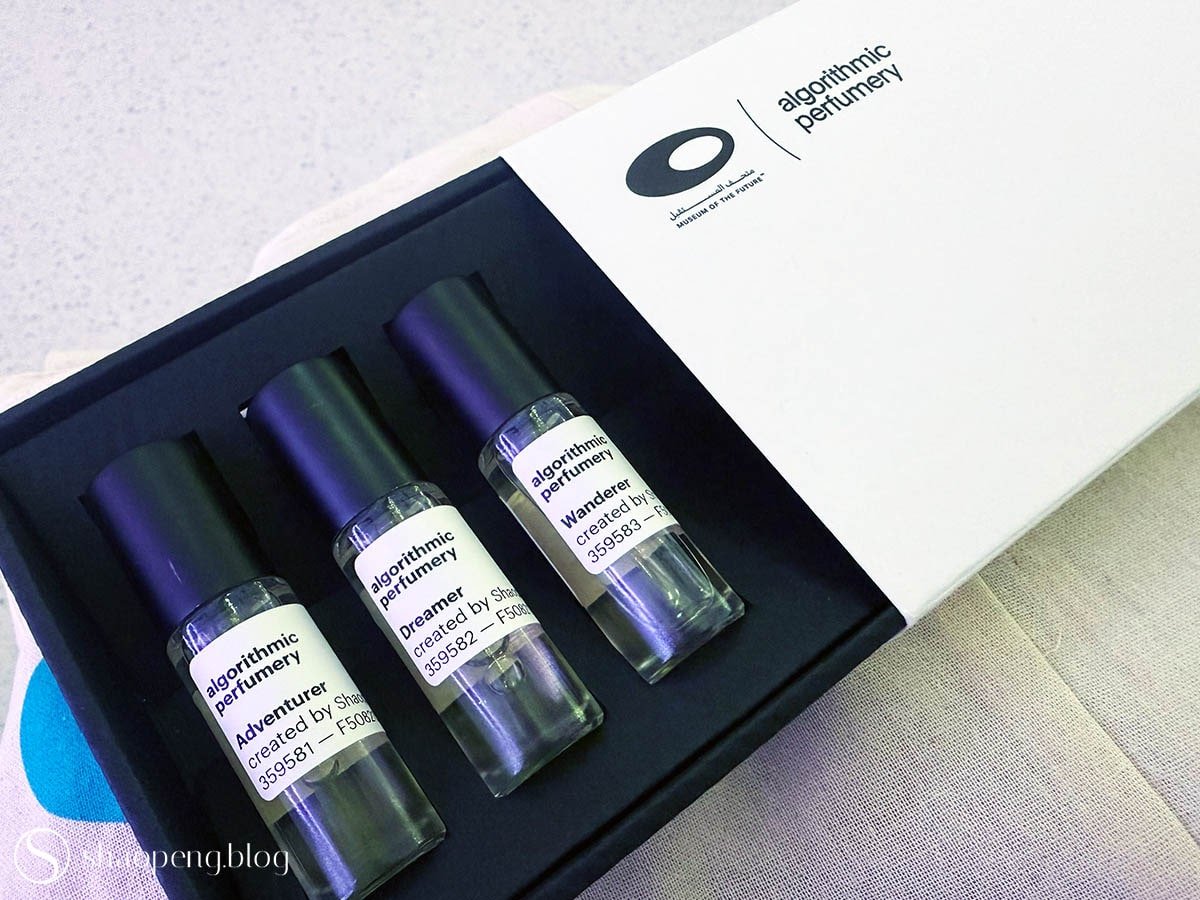
Each of the three scents is yours to name.
Before leaving, there is The Void.
A hollow at the centre of the structure, open to the sky, where the calligraphy that first drew me here reveals itself up close. The words, written by Mohammed bin Rashid Al Maktoum and rendered in Thuluth script by Emirati artist Mattar Bin Lahej, speak of the future not as fate, but as creation.
I’m particularly caught by one line:
“The future will be for those who will be able to imagine, design and build it, the future does not wait, the future can be designed and built today.”
As I stand there admiring the beautiful of calligraphy, daylight begins to dissolve. The scripts glow with life as the sky dims. What an experience to see, in person, a symbol you have been carrying privately for so long, now revealed in its full light and weight in front of you.
Dubai does this to you. It presents itself with such certainty that you begin to question not what is possible, but what you have overlooked. I had been moving through the city in that familiar wanderer’s daze.
Shortly after, I updated my vision board.
The building remains at its centre. But the image has changed. It is now one I took myself — at dusk, when the word mustaqbal — the Arabic word for “future” — glows across the facade.
The future I have imagined, it seems to say, is not a distant thing. It is already here, waiting to be built.
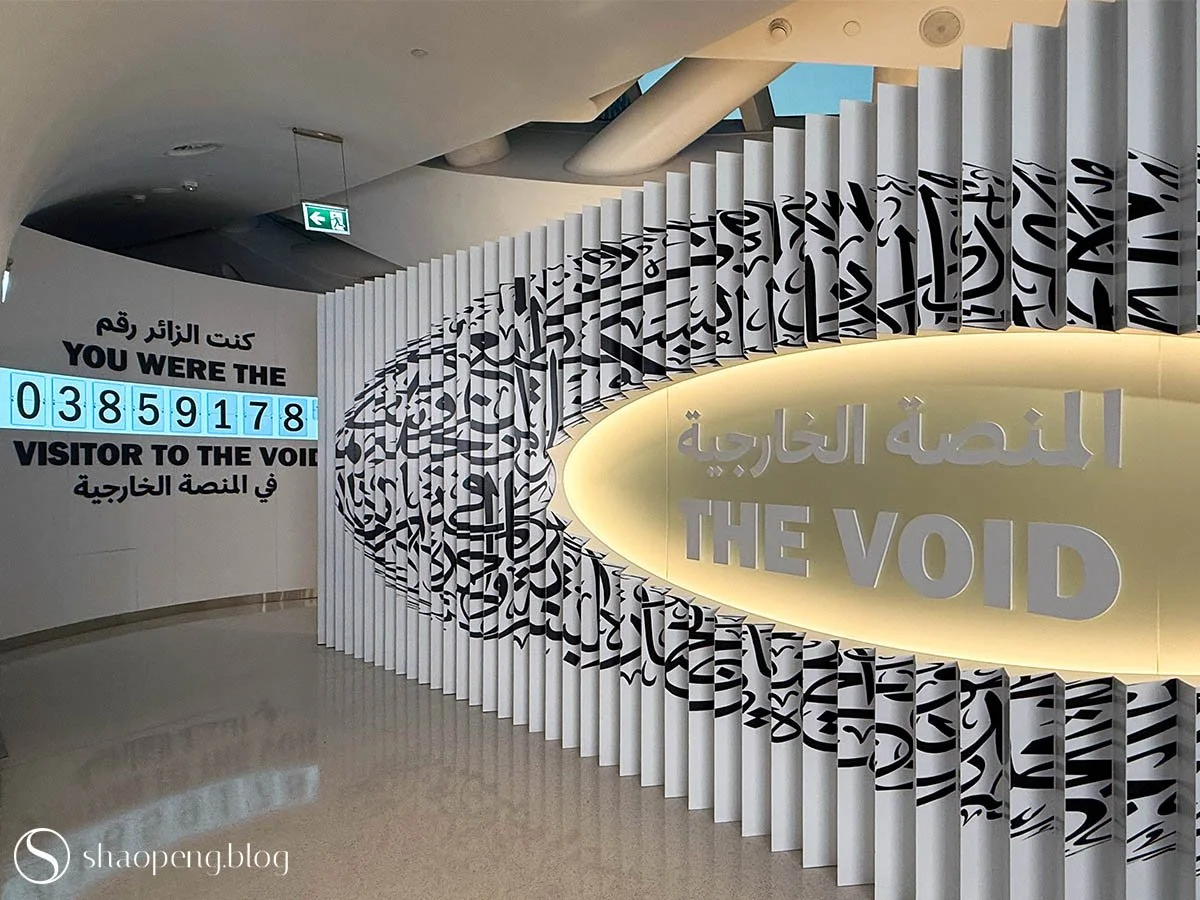
The Void invites you to see Dubai from an extraordinary vantage point.
Wanderer’s tip — Book ahead, or risk paying for a Pioneer Pass as I did. Tickets often sell out days in advance during peak seasons, so secure yours early, ideally through the Museum of the Future rather than third-party platforms.